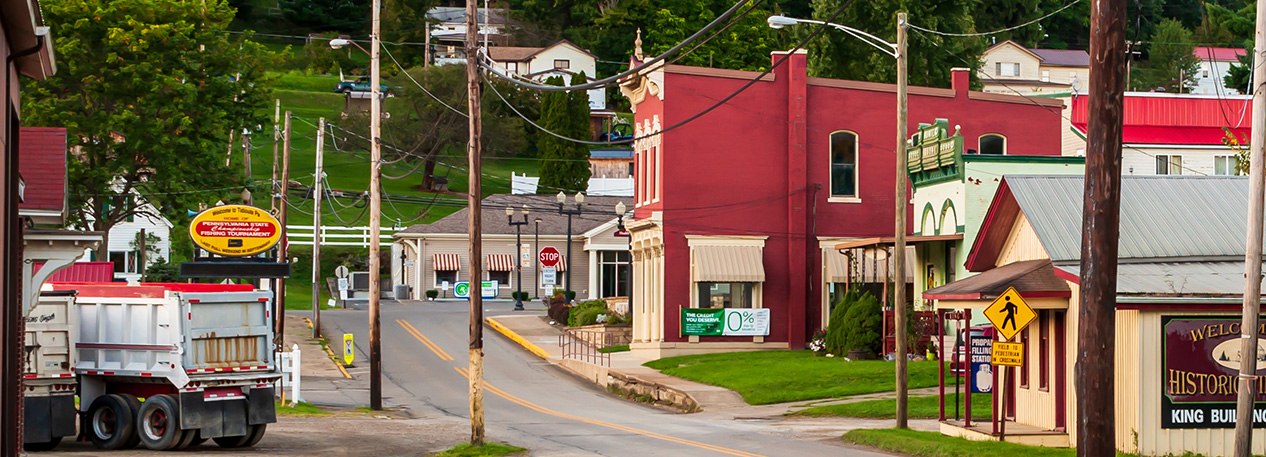



Currently, 4.5 million Americans aged 65 and older live in banking deserts or are at risk of losing their last remaining branch.
Reliance on physical banking reflects more than just preferences. Older, lower-income, and rural populations are significantly less likely to own smartphones or have home broadband internet. Over 800,000 seniors in banking deserts lack home broadband access and over 950,000 live in low- and moderate-income areas.
Since 2019, the number of older adults in banking deserts has grown 26 percent, with even steeper increases in certain communities. Texas, North Carolina, Florida, and California have the highest numbers of affected seniors, while New Jersey, Pennsylvania, and Nebraska experienced the fastest growth rates.
Accessible banking services are essential for financial health, particularly for the nearly one-third of seniors aged 65 and older who continue to rely primarily on in-person teller services. As the number of older Americans continues to grow, addressing banking deserts will be critical to ensuring consumers aren’t left behind.
View the Full Report