
Worker Voices Special Brief: Self-Employment, Dreams Versus Reality
This report delves into a theme that surfaced during a series of focus groups with U.S. workers and job seekers without a four-year degree: Many people want to work for themselves.

Article
Making Sense of Decentralized Finance
Economic Insights — Decentralized finance boomed in 2021 but faced headwinds thereafter. Proponents argue that it’s still destined to be the next big thing. Doubters think its promise is overstated.
Video
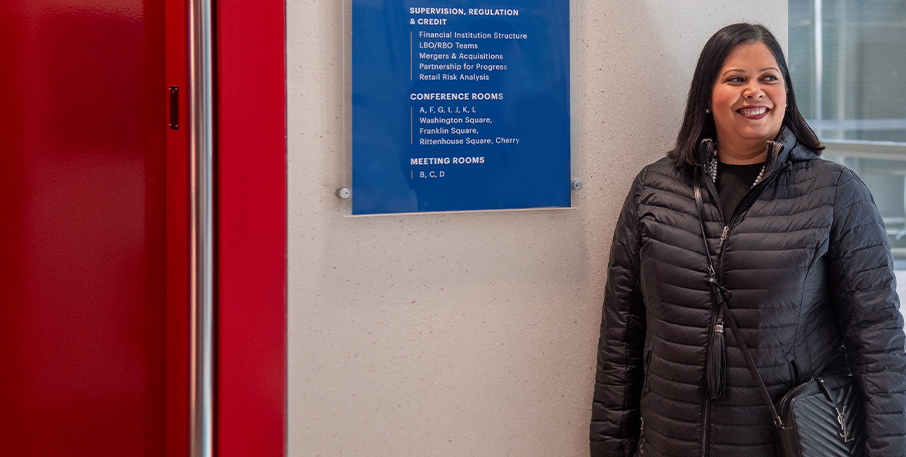
Our People, Our Stories: Tesia Lemelle
28 Mar ’24
Tesia works with institutions that promote banking access among underserved communities, and she continues to find ways to make a difference in the financial health of those in the Third District.
COVID-19
COVID-19 and the Philadelphia Fed
Get the Philadelphia Fed’s latest information, resources, and research on the coronavirus pandemic's impact on businesses, households, and communities.
Aruoba-Diebold-Scotti Business Conditions Index
16 Apr ’24
An index designed to track real business conditions at high observation frequency

Report
LIFE Survey Report – January 2024
This report is the first in a quarterly series on key observations from the Labor, Income, Finances, and Expectations (LIFE) Survey. Data from the survey provide insight into consumers’ recent financial lives and their future expectations.
Press Release
Philadelphia Fed Publishes Interactive Dashboard, New Data from Large Bank Credit Card and Mortgage Data Series
10 Apr ’24
The Federal Reserve Bank of Philadelphia’s interactive dashboard makes it easier to analyze Large Bank Credit Card and Mortgage Data in detail and over time. Data from Q4 2023 show deteriorating credit card performance, declining mortgage originations, and housing affordability issues.